


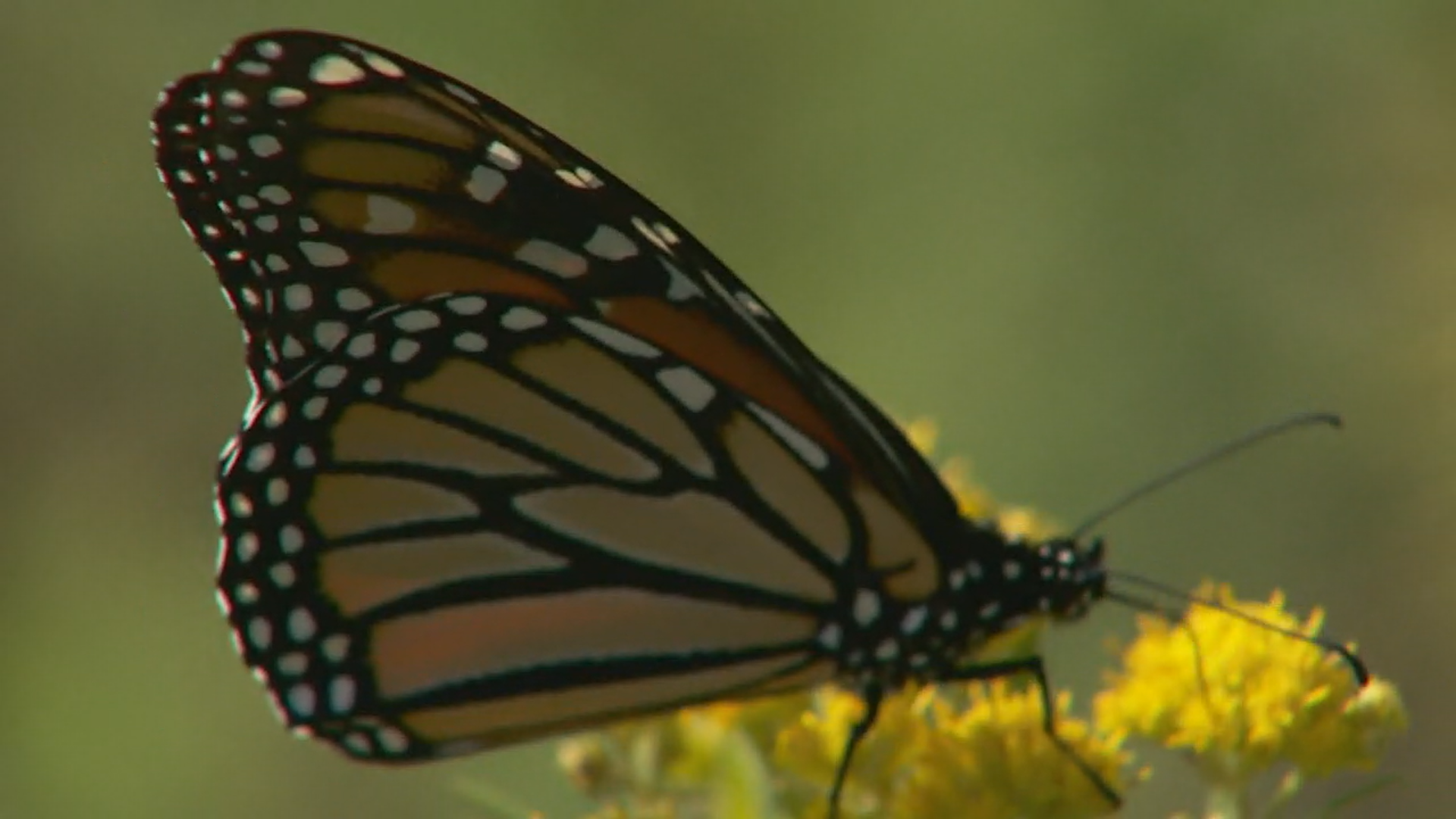
Tracking Technology Enables Migration Research
The research initiative employs sophisticated tracking technology to monitor monarch butterfly migration. According to Laura Burns, the devices attached to the butterflies are remarkably small and lightweight. "There's two tiny solar panels and each little tag weighs 0.06 grams. They are solar powered, so they'll continue running as long as they have access to sunlight and they ping off of cell towers, cell phones and wildlife telemetry towers to track migration," Burns explained. This technology allows researchers to gather precise data on the routes monarchs take during their long-distance migration from Canada to Mexico, providing unprecedented insights into their movement patterns and the challenges they face along the way. The tagging program began in August, with researchers attaching these devices to monarchs before they began their southward journey.
Large-Scale Tagging Effort Across North America
The Winnipeg project is part of a broader continental effort to track monarch migration. Burns reported that more than 1,300 monarchs have been tagged this fall across North America, with the Assiniboine Park Zoo contributing 29 tagged butterflies to the initiative. The tracking data reveals that many of the tagged butterflies are still in transit, with significant numbers currently located in the central United States. "Some of them are still on the move. There are a bunch in Kansas and Missouri and Oklahoma and Texas right now," Burns said. She expressed optimism that additional butterflies would reach Mexico in the coming days, contingent on favorable wind conditions. The Assiniboine Park Zoo team is patiently waiting to see more of their tagged butterflies arrive in Mexico as the migration season progresses.
A Perilous Journey South
The migration from Winnipeg to Mexico represents a dangerous undertaking for the monarch butterflies. Burns outlined numerous hazards the insects encounter during their journey. "They could run into cars, cities, agricultural fields, predators, bad weather events. All of these things can make the journey super dangerous, and we don't really know the direct path they take," she said. The lack of understanding about the specific routes monarchs take makes conservation efforts more challenging, as researchers cannot easily identify where interventions might be most effective in protecting the migrating population. The 2,300-kilometre journey tests the endurance of these small insects, which must navigate diverse landscapes and weather conditions while avoiding numerous threats along the way.
Early Arrival Signals Normal Migration Patterns
The Winnipeg-tagged butterfly that reached Mexico is one of only three tagged monarchs detected in the country so far this season. Burns indicated that this timing appears consistent with expected migration patterns. "It seems like it's within the realm of normal, but she is one of the early arrivals in Mexico," Burns said. Despite having reached Mexican territory, the butterfly still faces a substantial journey ahead, with approximately 800 kilometres remaining before it arrives at its final overwintering destination. This highlights the extensive distances involved in the monarch migration and the endurance required of the species. The butterfly's arrival in Mexico after 40 days of travel demonstrates the remarkable navigational abilities of monarchs, which can traverse thousands of kilometres to reach their traditional overwintering sites.
Conservation Applications of Migration Data
The tracking initiative serves purposes beyond simply documenting butterfly movements. Burns emphasized that understanding migration pathways is essential for effective conservation planning. "These data will show where those pinch points are, where [the butterflies] are not making it past. And maybe we should be focusing our mitigation and conservation efforts on those spots to make the biggest impact," she said. By identifying specific locations where monarch populations face particular challenges or mortality, conservationists can target their efforts more strategically, potentially improving survival rates for future migrations and contributing to the long-term preservation of the species. The collaboration between the Assiniboine Park Zoo and Environment and Climate Change Canada represents a coordinated approach to understanding and protecting these migratory insects, whose populations face increasing pressures from habitat loss, climate change, and other environmental challenges across their range.



Join the Conversation
Moderated reader discussion · Community standards apply